
North Charleston city council members discussed travel policy changes months before two members went to a Utah conference where argument turned physical.
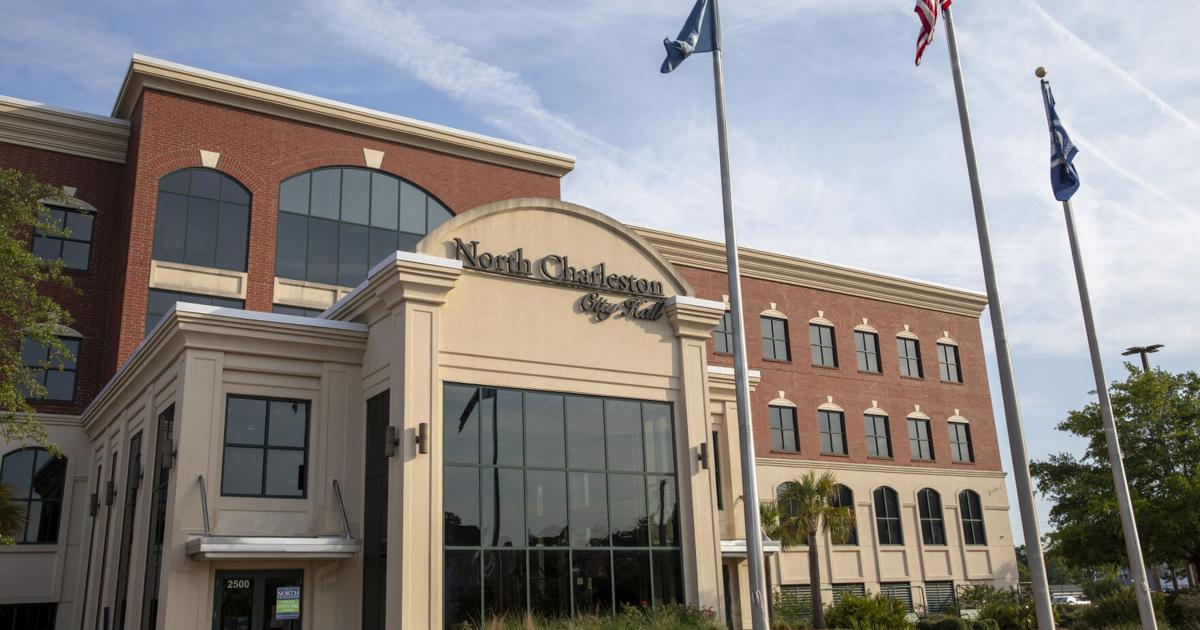
NORTH CHARLESTON — At the end of August, City Council weighed changes to the travel policy for elected officials after some members raised concerns that the rules were too vague. Three months later, an incident allegedly broke out between two councilmembers while in Utah for a city-sponsored conference.
During the Aug. 21 Committee of the Whole meeting, council discussed revising the policy to ensure fairness in who attends conferences and establish a clearer approval timeline.
Since then, the effort hasn’t moved forward because council has not directed staff to draft changes, city spokesman Tony Tassarotti said.
In November, councilmembers Michael Brown Jr., Nefertiti Brown and Rhonda Jerome traveled to Salt Lake City for the National League of Cities conference, an annual event the city typically attends.
While on the trip, a verbal disagreement between Councilman Brown and Councilwoman Brown allegedly turned physical. The two councilmembers, who are not related, gave police conflicting accounts of what happened around midnight on Nov. 21 at a local bar called Lake Effect, according to an incident report filed with the Salt Lake City Police Department. Both alleged they were assaulted.
Both councilmembers called the police department throughout the week after they returned to add more details to their reports.
On Nov. 28, Councilman Brown provided a more detailed account of the verbal disagreement between Councilwoman Brown and another person at the bar that he first reported to police Nov. 21. Councilman Brown said he asked her to calm down and then he walked away. He said she followed him, pointing and poking at his face and yelling profanities before allegedly assaulting him, he told police.
Meanwhile, Councilwoman Brown told police on Nov. 25 that Councilman Brown “brushed his hand” across her face. After telling him not to touch her face, she said he grabbed her wrist, dug his nails into it and squeezed until it was swollen. She provided photos of her injuries to police, according to the report.
Well before the Utah conference, during the August committee meeting Councilwoman Charmaine Palmer-Roberts, who represents District 4, told council she was among those who suggested travel policy changes.
Currently flights, hotel, conference fees and meals for the trip came out of the city’s $60,000 travel fund for councilmembers and the mayor.
Tassarotti said the travel policy for elected officials is the same for city staff. The person requesting travel creates a budget and itinerary for the department head. Councilmember approval goes through Courtnay Fields, the city’s clerk of council .
Once she approves the travel, the city’s finance director makes sure there’s enough money to cover the costs. Then, Mayor Reggie Burgess reviews the request and signs off.
“We appreciate the taxpayers for allowing and supporting us to be educated and trained so that we can bring tools and resources back to our city,” Palmer-Roberts said during the meeting. “But at the same time as elected officials we must do it with integrity, accountability and professionalism. For me, what we have right now is very loose.”
She did not respond to a request for comment from The Post and Courier by the time of publication.
During the August meeting, Councilwoman Brown told council the conversation appeared to be connected to her delay in signing up for the conference in Salt Lake City. She said she missed the April registration deadline because she was trying to secure childcare for when she would be gone. She said she would pay the $200 late fee herself. At that time, she said she didn’t know if she was approved to go on the trip.
Palmer-Roberts said during the meeting the discussion was not about any specific situation, but the policy itself.
Councilman Chris Emde, who represents District 5, told The Post and Courier he agreed that the policy is loose. He said guidelines for conduct, whether that’s a separate policy or attached to the rules on travel, should be put in place to ensure professional conduct in public. He said completing required councilmember training should be part of the approval process for travel.
“If your conduct has the potential to give the city a black eye, then you probably shouldn’t be going,” he said.
In the city of Charleston, instead of having a pot of money to pull from, $4,000 is allocated to each councilmember for travel, said city spokesperson Bay Sheehan. To request a trip, the councilmember makes a request through the clerk’s office, typically in response to an email notifying councilmembers about annual conferences and trainings.
The clerk’s office handles registration, accommodations and flights, then creates an expense report for the councilmember to approve. The city follows per diem rates set by the U.S. General Services Administration for daily expenses, like meals. After approval from the clerk of council, the Budget Finance and Revenue Collections Department reviews the request.
If a councilmember exceeds the $4,000 annual budget, they can use another councilmember’s travel funds with their permission.
Charleston County Council has a pot of $25,000 for training and conferences for councilmembers and county staff, The Post and Courier previously reported.
Source: Utah News