
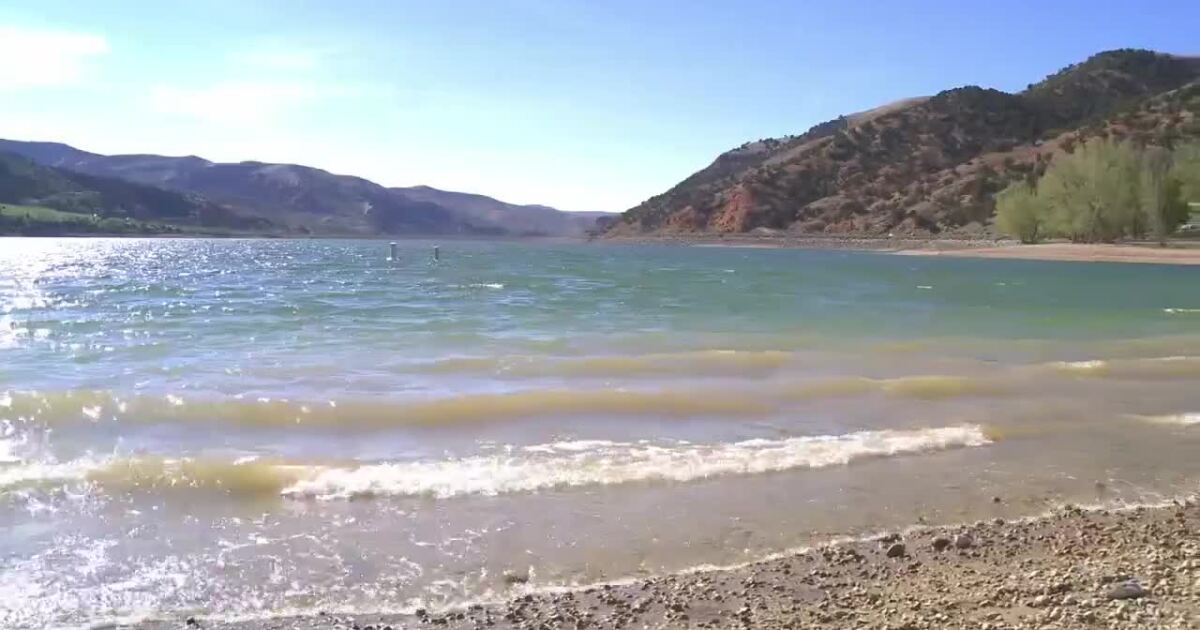
After several years of healthy reservoir levels and drought relief across northern Utah, some reservoirs are already beginning to drop following a dry winter and early spring runoff season.
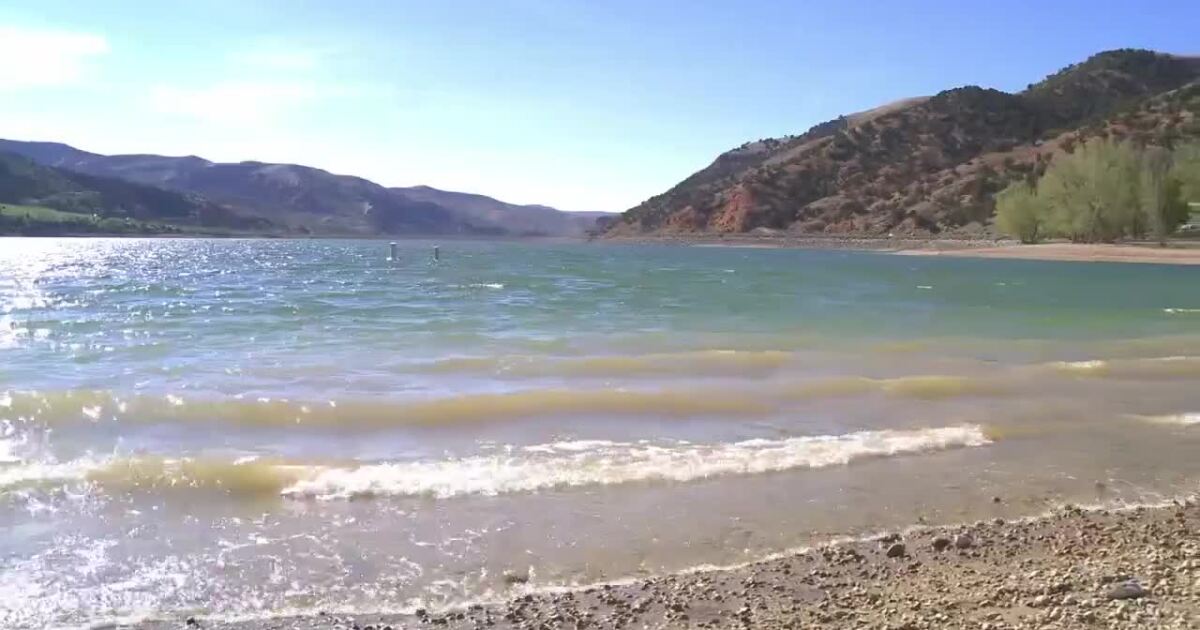
ECHO, Utah — After several years of healthy reservoir levels and drought relief across northern Utah, some reservoirs are already beginning to drop following a dry winter and early spring runoff season.
At Echo Reservoir, water levels have fallen to around 62% capacity — a noticeable difference from recent years when many reservoirs across the state were near full heading into summer.
Officials with the Utah Division of State Parks say current reservoir levels are concerning for this point in the water year, and conditions will worsen later this summer.
“For the start of a water year, not necessarily the best place to be,” said Devan Chavez. “But we’re expecting that a lot of our reservoirs, Echo included, to potentially be seeing some of those impacted levels.”
State park officials say lower reservoir levels can eventually create impacts for recreation, including boating access and safety concerns.
“We start seeing boat ramp impacts,” Chavez said. “Start to enter the advisory threshold around 25% and then we traditionally plan on closing the boat ramp once Echo State Park reaches about 15%.”
WATCH: Officials urge voluntary water cuts as drought persists in Utah
Even before ramps close, shrinking water levels can create tighter and more crowded conditions for boaters on the lake.
“Less water means not only the boat ramp might be impacted, but there’s less boatable water for users to enjoy,” Chavez said. “There might be less people that we allow on the lake safely, or you might be a little closer to some people out there.”
For longtime boaters at Echo Reservoir, fluctuating water levels are nothing new.
“The ramp goes pretty far,” said Ryker Schenck. “Last year we got down to the dirt. We were able to put in still.”
But water officials say the concern this year extends beyond recreation. An unusually warm spring caused snowmelt and runoff to arrive earlier than normal, meaning Utah may need to stretch its water supply further into the summer months.
“Because the runoff was so much earlier, because temperatures have gone up so much sooner than normal, we’re going to be using that water a lot longer, which is not good,” said Laura Haskell.
Officials are also encouraging Utahns to conserve water at home, especially outdoors, where more than half of residential water use occurs during the warmer months.
“We use over 50% of our water for the entire year in our yards and landscaping during the summer months,” Haskell said. “Just be really intentional with, you know, does it need water or not?”
State officials say reservoir levels and drought conditions will continue to be closely monitored throughout the summer as Utah enters another challenging water year.
Source: Utah News