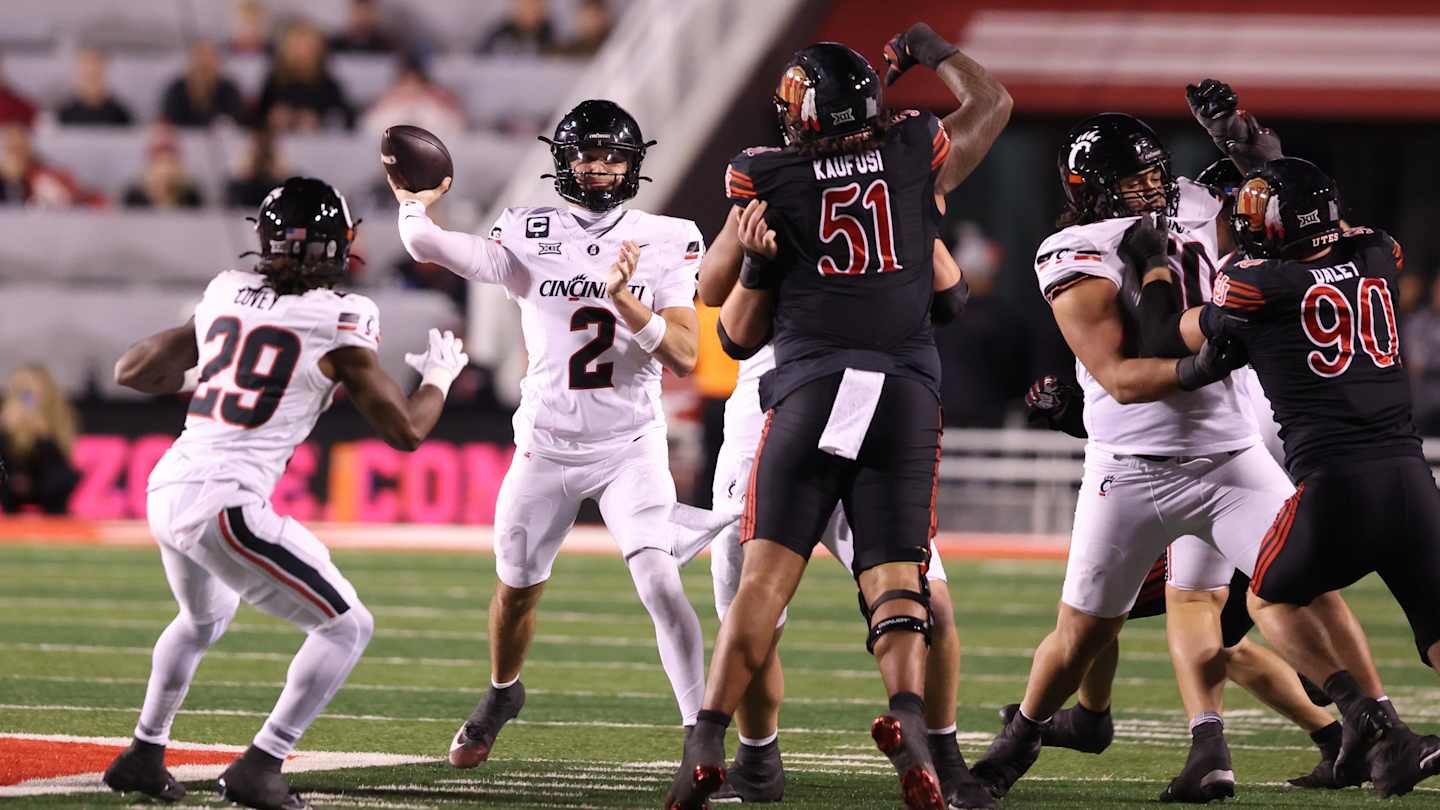
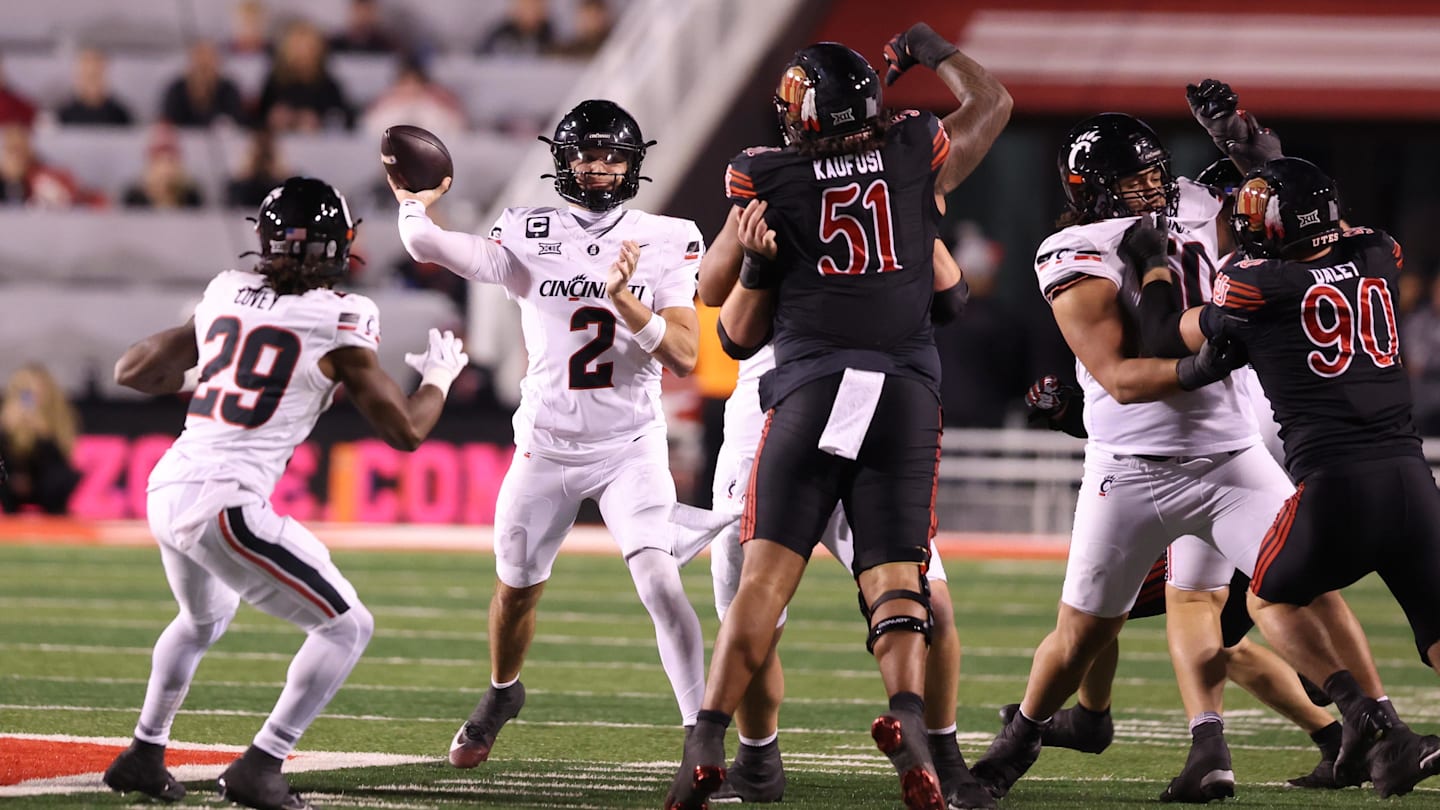
CINCINNATI — The Bearcats football squad is in a bye week after losing to the Utah Utes 45-14 and nearly dropping out of the AP top 25. The result was enough to keep them out of the initial College …
CINCINNATI — The Bearcats football squad is in a bye week after losing to the Utah Utes 45-14 and nearly dropping out of the AP top 25.
The result was enough to keep them out of the initial College Football Playoff rankings and dropped them down the national analytic metrics for the first time in nearly two months.
UC now checks in at No. 32 in the FBS on Bill Connelly’s SP+ metric (23rd last week). Among others, Cincinnati is at No. 35 on ESPN’s Football Power Index (26th last week) and 27th on Brian Fremeau’s BCF rating metric (24th last week). It moves Cincinnati to an average ranking of 31.3 nationally (24.3 last week).
They still have everything left on the table to accomplish this season, from a Big 12 title all the way to a national championship dream. If they win out or go 2-1 with a win over BYU, then they will be basically guaranteed a spot in the Big 12 Championship Game.
“I told our team in the locker room we still have a lot to play for,” UC head coach Satterfield said about his team’s trajectory after Saturday’s loss. “Everything to play for, quite honestly. This bye week comes at a good time for us. We’ve got some guys that are dinged up. Hopefully, we can get healed up next week and reset mentally and physically.”
UC is back at it next Saturday at noon ET against Arizona.
Bookmark Bearcats Talk for the latest news, breakdowns, and so much more. Check out our YouTube page as well, starting with the video below.
Also, don’t miss the podcast, Bearcat Blitz, wherever you get your shows!
Utah is known for having the best snow on earth, and ski season is almost here! Utah’s ski resorts are getting ready to open for the season, and they’re making some expansions.
SALT LAKE CITY (ABC4) — Utah is known for having the best snow on earth, and ski season is almost here! Utah’s ski resorts are getting ready to open for the season, and they’re making some expansions.
Most of Utah’s 15 ski resorts have announced their opening dates for the winter season, which you can find below. These are anticipated opening dates, and they may change depending on weather conditions.
Utah resorts opening in November 2025:
Advertisement
Advertisement
Advertisement
Advertisement
Brian Head Resort – November 14
Solitude Mountain Resort – November 14
Alta Ski Area – November 21
Park City Mountain – November 21
Snowbird – November 27
Snowbasin Resort – November 28
Woodward Park City – November 28
Utah resorts opening in December 2025:
Deer Valley Resort – December 1
Powder Mountain – December 12
Eagle Point Resort – December 19
Utah resorts who have yet to announce opening dates:
Many of Utah’s resorts are debuting expansions, new lifts, and guest experiences this season as Utah gears up to host the 2034 Winter Olympic Games. According to Ski Utah, “the industry is looking not just at what’s next but at what’s never been done before,” as the industry prepares to celebrate Ski Utah’s 50th anniversary on December 3.
Advertisement
Advertisement
Advertisement
Advertisement
Many resorts including Brian Head, Nordic Valley, Brighton, Solitude are making expansions to snowmaking systems in order to improve conditions and extend the number of days they are able to stay open.
Cache Valley Resorts
Beaver Mountain is debuting a brand-new day lodge this season, called Marge’s Cabin. It is named in honor of Marge Seeholzer, Beaver Mountain matriarch, and it incorporates the original lodge’s historic fir siding. It is also the oldest continuously family-owned ski area in the country.
Ogden/Weber County Resorts
In addition to a complete tune up of its snowmaking system, Nordic Valley is hoping it will allow for better access to the Nordic Express, an 8-week kids skiing program.
Powder Mountain has new perks for passholders, including discounted Bunny Tickets and early-morning lift access. The resort is also working on a new triple lift in Wolf Canyon that will allow access to the “DMI” area for the first time, adding 1,047 acres of public advanced terrain. It won’t be open for this season, but you can book a guided backcountry tour of the area through the resort.
Advertisement
Advertisement
Advertisement
Advertisement
Snowbasin has completely replaced the Becker Lift, reducing ride time from 12 minutes to under seven, allowing the lift to transport 1,800 riders every hour. Snowbasin is also regrading the Bear Hollow Trail to enhance beginner and family friendly skiing and launching RFID gate access to reduce wait times.
Visit Ogden is also offering package deals for purchase, which bundle lodging discounts with rentals and lessons. Those packages also include discounted lift tickets and “unique on-mountain experiences,” according to Ski Utah. If you book a hotel room in Ogden, you will also get exclusive discounts at all three local resorts, including 20% off lessons, rentals, and day passes.
Park City Resorts
Deer Valley is seeing the largest expansion of any Utah resort for this winter season, more than doubling in size. It will debut seven new chairlifts, bringing the resort total to 31 total lifts, 202 ski runs, and 4,300 skiable acres, according to Ski Utah. Deer Valley will also offer 1,200 day-skier parking spaces this season. All of this is part of the resort’s Expanded Excellence Initiative.
Advertisement
Advertisement
Advertisement
Advertisement
Park City Mountain is debuting the Sunrise Gondola this season, a high-speed 10-person lift that will take guests to Red Pine Lodge and beginner terrain. The resort team replaced 1,400 feet of old snowmaking pipe and added 700 feet of pipe. There is also a new beginner area at Red Pine Lodge, accompanied by a new children’s lunchroom inside the lodge.
Resorts in the Cottonwoods
Alta Ski Area is on track to complete its realignment of the Supreme chairlift in time for the winter season. Brighton will open a new slopeside stop called The Waffle House that will serve golden waffles and warm drinks in the base area. It will also offer some new amenities to guests outside Snake Creek Lodge.
Solitude invested $4.5 million in snowmaking improvements, which includes installing a new pipeline to import water for the system. It also added four new Wyssen avalanche towers to Fantasy Ridge, which will allow patrols to remotely mitigate avalanche hazards in difficult terrain. There will also be free mid-week parking at Solitude this season. Snowbird has a new restaurant called The Nest this season, offering stunning panoramic views of the valley below.
Sundance Mountain Resort
The Inn at Sundance Mountain Resort is opening this season, with 63 hotel rooms right next to Outlaw Express. The inn will have amenities like an art gallery, a wellness center with daily yoga classes, and a ski valet and boot room to store equipment. Sundance Mountain Resort is also planning a two-year expansion, and this season there is 60 acres of new terrain in the Far East area.
Southern Utah Resorts
Brian Head Resort invested over $1.4 million in upgrades in snowmaking, new gladed runs, upgraded rentals, and new ski patrol equipment. Those upgrades in snowmaking will allow for more beginner and intermediate terrain to open earlier and stay open longer. Eagle Point is adding the Polestar condominium buildings, which allow direct trailside access just above the Tunnel Vision Underpass. It is also adding a fitness center at Canyonside Lodge this season.
Latest headlines:
Advertisement
Advertisement
Advertisement
Advertisement
Copyright 2025 Nexstar Media, Inc. All rights reserved. This material may not be published, broadcast, rewritten, or redistributed.
Utah is a place rife with folklore and local legends, and a USU folklorist sat down to talk about some of those legends and what belief means to society.
From Cache Valley to Bear Lake, USU Folklorist talks Utah folklore, belief, and local legends
LOGAN, Utah (ABC4) — Utah is a place rife with folklore and local legends, and a USU folklorist sat down with us to talk about some of those legends and what belief means to society.
Associate Professor of Folklore at Utah State University Lynne McNeill spoke with ABC4 about some of Utah’s most interesting pieces of folklore and what it’s like to study the paranormal.
Advertisement
Advertisement
Advertisement
Advertisement
Utah State University is home to the Fife Folklore Archives, one of the largest folklore archives in the country, and McNeill said that it’s a great reason to come to Utah and study folklore. In addition to being a professor, McNeill has also appeared on multiple TV shows, including “Paranormal Caught on Camera” on Travel Channel and “The Unexplained History’s Greatest Mysteries” on History Channel.
Lynne described herself and other academic folklorists as having a “professional agnosticism” when it comes to ghosts and the paranormal.
“I very much think that belief is the far more interesting stance to take. I just don’t like to close any doors,” she said. “I’m interested in other people’s belief.”
Advertisement
Advertisement
Advertisement
Advertisement
She said that it’s easy to assume that people who believe that something supernatural happened are being irrational, but research has shown that people are not making irrational leaps.
“People are always trying to explain something through rational or natural explanations first, and when they sort of can’t, that’s when they go, okay, maybe it’s something supernatural or paranormal instead of something natural or normal that happened here,” she said. “And I think what motivates people to believe that is often incredibly meaningful and often very personal.”
For Lynne, folklore is important because it is focused on stories from normal people. She explained, “I think that what folklore studies teaches us is the value of everyday people and their cultural expressions and experience.”
Advertisement
Advertisement
Advertisement
Advertisement
“Folklore kind of brings us down to a more grassroots level, a more everyday level: the stories we tell each other, the ways we make meaning of the world in and of ourselves, and that’s almost more influential and more significant than those great works that culture and global society can give us because that’s the daily world in which we live,” she continued.
The Nunnery
The nunnery is also known as St. Anne’s Retreat, and it was a retreat for the Catholic Church. Lynne explained that as the story goes, it was also where nuns were sent if they had gotten pregnant, which is against the rules of the church.
More in U.S.
“The story is that nuns would go here to convalesce while they were pregnant, have the babies, give them up for adoption, and then they would leave and rejoin their convent out back in the outside world,” Lynne said. “And the story goes that one young num who arrived there made the really horrific discovery that the babies that were born there were not being given up for adoption.”
Instead, the babies were being drowned in the pool and buried in the woods. In the story, the nun tries to escape, but she and her baby are murdered, and she haunts the area.
The nunnery is a popular site for legend tripping, which Lynne explained is when a group of friends pile into a car and go to check out the creepy place for themselves.
Monster of Bear Lake
Like Loch Ness in Scotland, Bear Lake is supposedly home to its own lake monster.
“This idea that there is a large, oftentimes serpentine type creature, sometimes described as having a horse like head, sometimes described as having a long body. There is a lot of precedent for stories like this in a lot of lakes around the world,” Lynne explained.
Advertisement
Advertisement
Advertisement
Advertisement
The Bear Lake monster is officially named Isabella, and she has been in the news since the mid 1800s.
The Bear Lake monster, Isabella (Courtesy of Utah State University)
“A journalist named Joseph Rich from the Deseret News wrote an article with a bunch of interviews from locals, all of whom said they’d seen the monster, they’d heard of the monster, they knew someone who’d been dragged into the water by the monster. Years later, Rich says he fabricated it. He says it’s all a lie,” Lynne said.
But that didn’t stop people from reporting sightings of the monster. According to Lynne, there are records in the archives dating from the 1960s up to the last four years in the student folklore collection.
“People still see this lake monster. People still have stories about it, so the jury’s really out on this one,” Lynne said. “There’s a Bear Lake Festival. I mean, people love a local monster. It sort of becomes a mascot for the region.”
Logan Cemetery
The Logan Cemetery is known for one particular statue known as the weeping woman, and Lynne said that she is another longstanding story with records in the archives going back to the 1970s.
Advertisement
Advertisement
Advertisement
Advertisement
The statue itself is what’s known as a surrogate mourner–a figure meant to be expressing grief and loss constantly, when family members can’t always be at the cemetery. The legend, though, is as if the statue is of a woman who’s buried in that grave.
There are two stories, according to Lynne, one where the woman murdered her children, and one where they died of natural causes and her grief killed her.
“The story says that if you go there at one of these sorts of ritually appointed times and chant, ‘weep, woman, weep,’ or some people say, ‘cry, lady, cry,’ at the statue, you will see her cry real tears. Some people even say tears of blood,” she explained.
Lynne has even had her own supernatural experience at Logan Cemetery, which she said was the scariest thing that’s ever happened to her. On Halloween night a few years ago, using an app meant to communicate with spirits, she heard a clear voice tell her to leave.
TORONTO – A three-goal third period by the Toronto Maple Leafs led to a 5-3 loss for the Utah Mammoth. Michael Carcone, Mikhail Sergachev, and Dylan Guenther scored for the Mammoth while Dmitri …
The Mammoth’s line of Michael Carcone, Jack McBain, and Lawson Crouse has brought energy and effort throughout the season. Crouse’s hard work in the final minutes of the first period led to the game’s opening goal. After Crouse gained possession of the puck in the corner, he worked behind the goal and quickly fed the puck to a waiting Carcone on the doorstep. Carcone capitalized and the McBain line gave the Mammoth a 1-0 lead.
“Like every night, they work hard, they put pucks deep, they get on the forecheck, they put pucks on the net, they’re a really good identity line for us,” Tourigny said. “They do a good job for us.”
Toronto pushed back with a pair of goals in the second period by two of the team’s most dynamic players, William Nylander and Auston Matthews. However, like in the first, Utah found a goal late in the period. Mikhail Sergachev’s tally with 3:33 left in the second period tied the game, 2-2. Sergachev’s third goal of the season was set up by his fellow countryman, Dmitri Simashev, and the assist was the rookie’s first NHL point.
“Obviously, they turned it over, he picks it up, he’s in the right spot, finds me and I see that there’s two or three guys skating by the goalie and I just send one along the ice and it goes in,” Sergachev said of the goal. “I’m happy for (Simashev). He’s a great player and going to have a lot more points coming in.”
The Maple Leafs outscored the Mammoth, 3-1, in the final frame. John Tavares, Matias Maccelli, and Matthew Knies (empty net) scored for the home team, while Dylan Guenther’s tally with 67 seconds left in regulation was the final goal of the game. With the loss, Utah is 9-5-0 this season and is 1-1-0 to start the four-game road trip.
As the Mammoth look to grow from this game, they’ll work on their consistency and simplicity, especially on the second half of back-to-backs.
“It’s about consistency for a full-60,” Sergachev explained. “Obviously, we’re on a back-to-back, where conditioning might be a thing, because we feel a little bit tired. But you got to dig deep and play simple, simplify the game. We didn’t at times and it cost us.”
After the unfortunate news about the Utah Jazz losing Walker Kessler for the season, the Jazz take another L and fall to the Detroit Pistons with the final score being 103-114. Cade Cunningham led the …
After the unfortunate news about the Utah Jazz losing Walker Kessler for the season, the Jazz take another L and fall to the Detroit Pistons with the final score being 103-114. Cade Cunningham led the way for the Pistons with 31 points, 10 assists, and 3 rebounds, while Svi Mykhailiuk attempted to carry the Jazz to a victory, ending with 28 points.
Whether you like tanking or not, it’s what the Jazz have got to do if they want to be great again — and we can start that turnaround as soon as next year. Losing Walker Kessler was very unfortunate, and it was definitely felt tonight against the Detroit Pistons. Jalen Duren was a monster on the glass and in the paint — he ended the game with 22 points and 22 rebounds. Surely Kessler would have made Duren struggle a lot more than he did tonight. However, this loss increases the odds of the Jazz landing a top 5 pick in this year’s LOADED, yes, loaded, NBA draft. If the Utah Jazz succeed at doing so, they would be entering the 2025-2026 season with a healthy Walker Kessler (barring a contract extension), a top 5 pick, Ace Bailey in his 2nd year, anyone we trade for, and likely, Lauri Markkanen. Now, that’s just music to my ears; I genuinely think that the Utah Jazz can start creeping into the playoffs as soon as next season! (I just got chills sent down my spine while writing that).
Advertisement
Advertisement
Advertisement
Ace Bailey:
Ace Bailey did a few good things tonight, such as grabbing offensive rebounds and taking some good shots, and it might just be me, but I am kind of just waiting for that one breakout game from him — he was the 5th overall pick after all. The ball is not falling for the 19-year-old kid, but eventually it should start finding the net more times than not. Random note, but I was watching Oregon vs Hawaii (college basketball) yesterday, and there’s a kid on Oregon named Kwame Evans Jr who reminded me of Ace Bailey… long story short, it’s likely he won’t be on an NBA roster long if he ever finds his way there. Anyway, I think there is a justifiable question to ask: Is Ace Bailey going to be a defensive Kyle Kuzma, or is he going to be better than that?
Keyonte George:
One thing I did not take into consideration before essentially writing Keyonte George off was his body transformation. At Baylor, Keyonte George was playing a stockier 215lbs because Scott Drew was playing a 3-guard lineup with Flagler & Cryer, slotting Key at the 3. Keyonte didn’t have to put on that weight, but he knew that being 6’4 & 185lbs would not be easy at the 3, so he decided to take on the extra pounds to endure the physicality of a forward. The athleticism had dropped off compared to where he was in HS because of the weight gain, and you could tell — he only had 3 dunks during his season at Baylor, BUT he was finishing around the rim at a fine rate (58.5%). Now, as soon as Keyonte went through his pre-draft process, he had lost a significant amount of weight. He entered his rookie season at 190lbs — a loss of 25lbs. He started his NBA career in a whole new body, THAT’S INSANE. It was reflective in his finishing around the rim. His first 2 years in the NBA, he averaged around 55% at the rim (per dunksandthrees). Throughout this young season, Keyonte George is shooting 77.8% from 0-3 feet (9% of his shot location) and 66.7% from 3-10 feet (32% of his shots), per Basketball Reference. Another great thing about Key is that he is getting to the FT line at a much-improved rate compared to years prior; that is a huge lift to his offensive production and overall impact on that side of the ball.
Advertisement
Advertisement
Advertisement
With that said, the jumper is still inconsistent, and with how many he takes… it’s just got to get better. The pull-up jumpers and shot in general is something that he’s struggled with for a long time. He was 134th out of 166 players on all pull-up jumpers out of those who took >100 FGA & played >25 games. If he keeps up this tenacity on defense, compared to the previous 2 years, keeps up the willingness to share the ball, and continues his “foul grifting”, then he’s probably a rotation player in the NBA. Starter? IDK, we’ll find out. I won’t tell you which way I lean.
Detroit Pistons:
Quick Hitters:
Ausar Thompson was very active on both ends of the court. He does everything for the Pistons and could be a respected Swiss Army Knife in the league if the shot ever comes around. He did not attempt 1 three-pointer tonight.
Cade Cunningham had a rough outing from the field……… UNTIL THE 4TH QUARTER, WHERE HE TURNED INTO MICHAEL JORDAN.
Ron Holland looked like he can be an interesting rotation piece for Detroit. As he enters his 2nd year in the league, his fit with the Pistons still feels as awkward as it did when he was selected on draft night last year. Could he be a potential trade piece in the near future?
As said earlier, Jalen Duren was feasting on the Jazz.
Utah Jazz:
Walter Clayton Jr. is 3rd in potential assists among rookies, so that’s pretty cool. I still love the element he brings to the game. It will be interesting to see what the Jazz do once Isaiah Collier is healthy enough to suit up and play.
Kyle Filipowski’s sophomore slump continues. Flip shot 1-5 from the floor tonight in 20 minutes. The great thing about Flip is that no matter what, he is going to be a threat on offense due to the fact that he is an excellent passer and can put the ball on the ground. I am a believer in Kyle as an NBA player and expect him to turn it around at some point.
Svi (I hate spelling his last name) banged out _ on efficient shooting. We are all awaiting the news where Svi has Will Hardy’s family held hostage, because WHY IS HE ON THE FLOOR FOR 30+ MINUTES!!!
Lauri Markkanen looked like he was frustrated tonight. He had a rough game scoring. He shot
BRICE SENSABAUGH WAS ON THE FLOOR FOR 7 SECONDS TOTAL. NO INJURIES OR ANYTHING. 7 SECONDS. Frustrating to say the least.
CINCINNATI — The Bearcats are working through the bye week with all sights set on beating the Arizona Wildcats next week to inch closer to the Big 12 Championship game. One key part of that pursuit is …
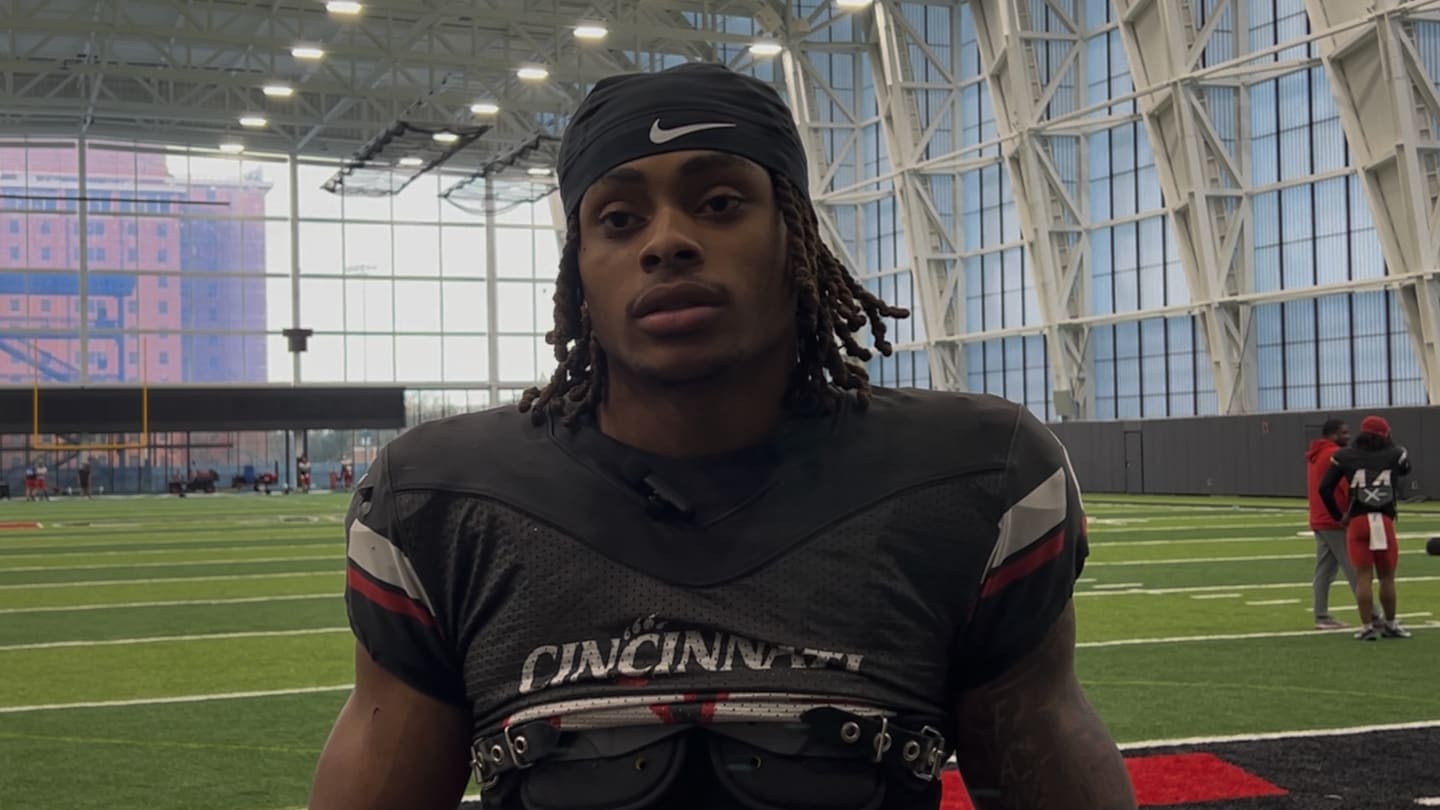
CINCINNATI — The Bearcats are working through the bye week with all sights set on beating the Arizona Wildcats next week to inch closer to the Big 12 Championship game. One key part of that pursuit is safety Xavier Williams, who is coming off of his best game as a Bearcat despite the 45-14 result at Utah.
Williams told me Tuesday the defense knows that wasn’t “to par” and they are doing all they can to clean things up ahead of some tough offensive matchups the rest of the way.
“Just not up to par,” Williams said after Tuesday’s practice. “You know what I mean? We didn’t go out there and execute the way that we looked to execute, obviously, but I mean, pretty much from here, we’re on a bye week looking to regroup, you know? I mean, focus on, back on the basics, the things that we need to focus on to continue to plan Bearcat football, as we have in the past. So just looking to regroup, obviously not the result that we wanted, but we can only build from it.”
Check out our full conversation below on everything from his transition to the Big 12 up to how he likes to utilize the Sheakley IPF:
Bookmark Bearcats Talk for the latest news, breakdowns, and so much more. Check out our YouTube page as well, starting with the video below.
Also, don’t miss the podcast, Bearcat Blitz, wherever you get your shows!
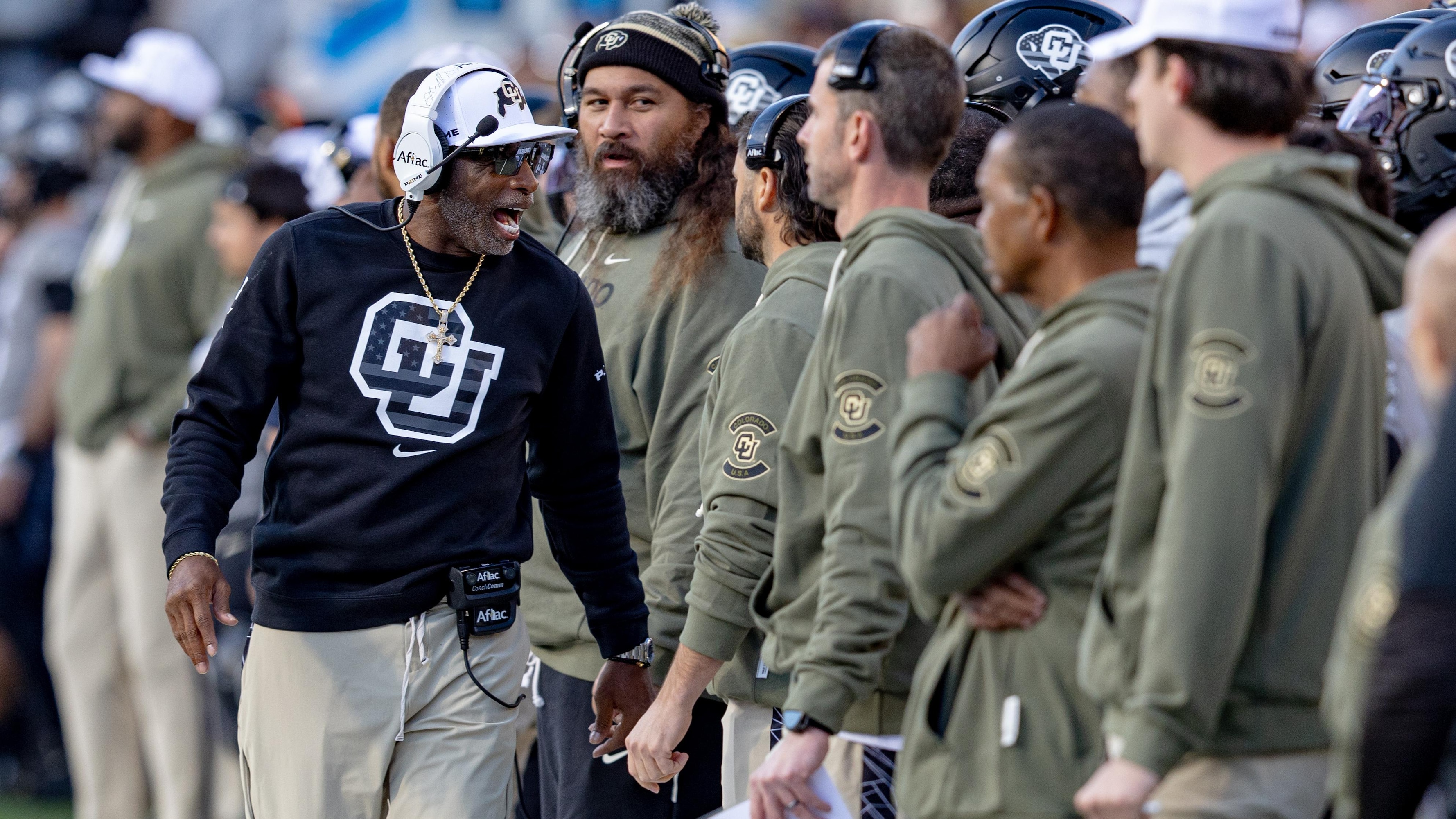
Colorado head coach Deion Sanders understandably hasn’t been pleased with his team’s struggles this year, and he reportedly quietly made a major change on his coaching staff.
Colorado head coach Deion Sanders understandably hasn’t been pleased with his team’s struggles this year, and he reportedly quietly made a major change on his coaching staff.
According to Brent Schrotenboer of USA Today (h/t Mike Florio of Pro Football Talk), Sanders demoted offensive coordinator Pat Shurmur following a 53-7 loss to Utah on Oct. 25.
Shurmur, who coached the Cleveland Browns and New York Giants in the NFL, reportedly is now the quarterbacks coach. Sanders was asked about making offensive changes during a press conference on Tuesday, and he said those moves would be kept in-house.
“I might have already changed it, and you don’t know,” Sanders said. “I don’t do stuff and blow the whistles and make major announcements.”
Unfortunately, the change didn’t do much to improve the situation for the Buffaloes, as they suffered a 52-17 loss to Arizona this past Saturday to fall to 3-6 this season. Florio noted that tight ends coach and passing game coordinator Brett Bartolone was the offensive play-caller for that game.
Colorado went 9-4 in 2024 with Shurmur calling plays, but the team lost a significant amount of talent from that team, most notably quarterback Shedeur Sanders and 2024 Heisman Trophy winner Travis Hunter.
It’s clear that Sanders still has a lot of work to do to get the Buffaloes back on track, and they will try to end their two-game skid when they face West Virginia (3-6) on Saturday at 12 p.m. ET on TNT and HBO Max.
Gavin Newsom is looking like a winner this Election Day as polls suggest Proposition 50 is cruising to victory in California, and consequently a “whining” Donald Trump is having an online temper …
SALT LAKE CITY (ABC4) — Below is a list of all local election results as updated by their respective counties. All races are placed in alphabetical order and you can navigate to the race of your choice accordingly. ABC4 is tracking some of the major contests. If you don’t find the race you are looking for, you can visit electionresults.utah.gov.
Copyright 2025 Nexstar Media, Inc. All rights reserved. This material may not be published, broadcast, rewritten, or redistributed.
After two losses, Utah football fans may still have a shot at seeing their team compete for the Big 12 Championship, but the odds are slim.
SALT LAKE CITY (ABC4) — After two losses, Utah football fans may still have a shot at seeing their team compete for the Big 12 Championship, but the odds are slim.
University of Utah football has had a redeeming season to say the least. After missing a bowl game last year, the Utes have catapulted to #17 in the nation, according to the AP Top 25 poll.
Advertisement
Advertisement
Advertisement
After a statement win over a ranked Cincinnati team, Utah finds itself still in the running for a visit to the Big 12 championship game. However, the team does not control their own destiny. Here’s what needs to happen for the Utes’ title hopes to stay alive:
Big 12 tiebreaker rules
Utah is currently tied for 4th place in the Big 12 with Houston and Arizona State. As per conference rules, Utah would have the edge over Arizona State after the Utes beat the Sun Devils 42-10 last month.
Utah also has the tiebreaker over Houston which will hold as long as the Utes get a win at Baylor in two weeks.
In the event that two teams do not play head-to-head during the season, as is the case with Utah and Houston, Big 12 policy states that the tied teams will be compared based on win percentage against common conference opponents. Houston’s loss against West Virginia last week gave Utah an edge over the Cougars. A win at Baylor will seal the deal, leaving the Utes alone in 4th.
Advertisement
Advertisement
Advertisement
Winning out is a must
Before any scenario can play out, the Utes have to win every game left this season.
Utah finishes with two road games against Baylor and Kansas along with one more home game against Kansas State.
A tale of two outcomes
Utah’s destiny relies heavily on the results of the BYU-Texas Tech game on Saturday, Nov. 8.
In the case that top-ranked BYU wins on Saturday, Utah fans will need Texas Tech to lose one more game in order for them to fall below the Utes in the title race. However, after playing 8th-ranked BYU, Tech finishes the season with UCF who is 1-4 in conference play, and West Virginia, who is 1-5 in conference play.
Advertisement
Advertisement
Advertisement
In the case that BYU loses on Saturday, the Utes will need the Cougars to lose at least two more games to end the season. While it is very unlikely, BYU finishes the season with a harder schedule than anyone in the race.
First, the Cougars play at home against TCU, a team who was ranked earlier this season after going 3-0 to start. Next, BYU plays on the road against 25th-ranked Cincinnati. To finish the season, they will play UCF at home.
The Cincinnati problem
Assuming Tech and BYU do exactly what Utah fans want, the U won’t be out of the woods yet. Cincinnati will still need to lose at least one game to finish their season in order for Utah to jump above them in the standings.
Advertisement
Advertisement
Advertisement
The bearcats remain in the Top 25 and finish the season playing Arizona, #8 BYU and TCU.
Latest headlines:
Copyright 2025 Nexstar Media, Inc. All rights reserved. This material may not be published, broadcast, rewritten, or redistributed.
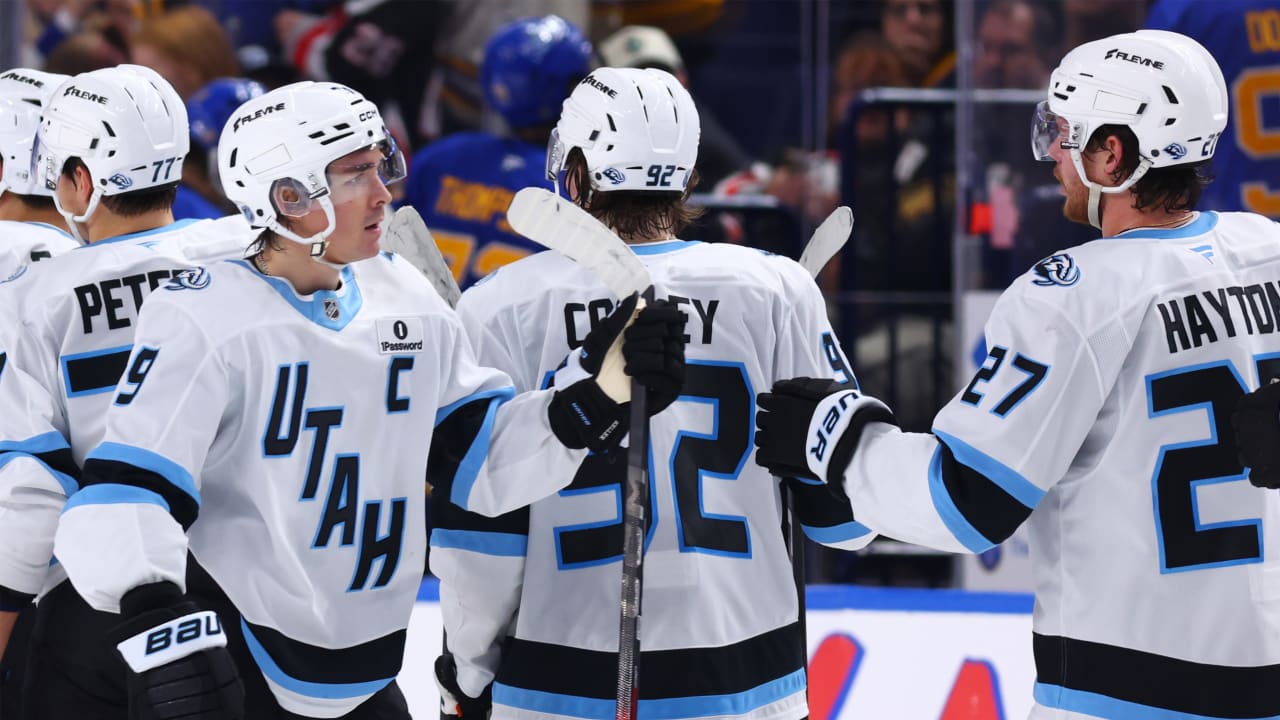
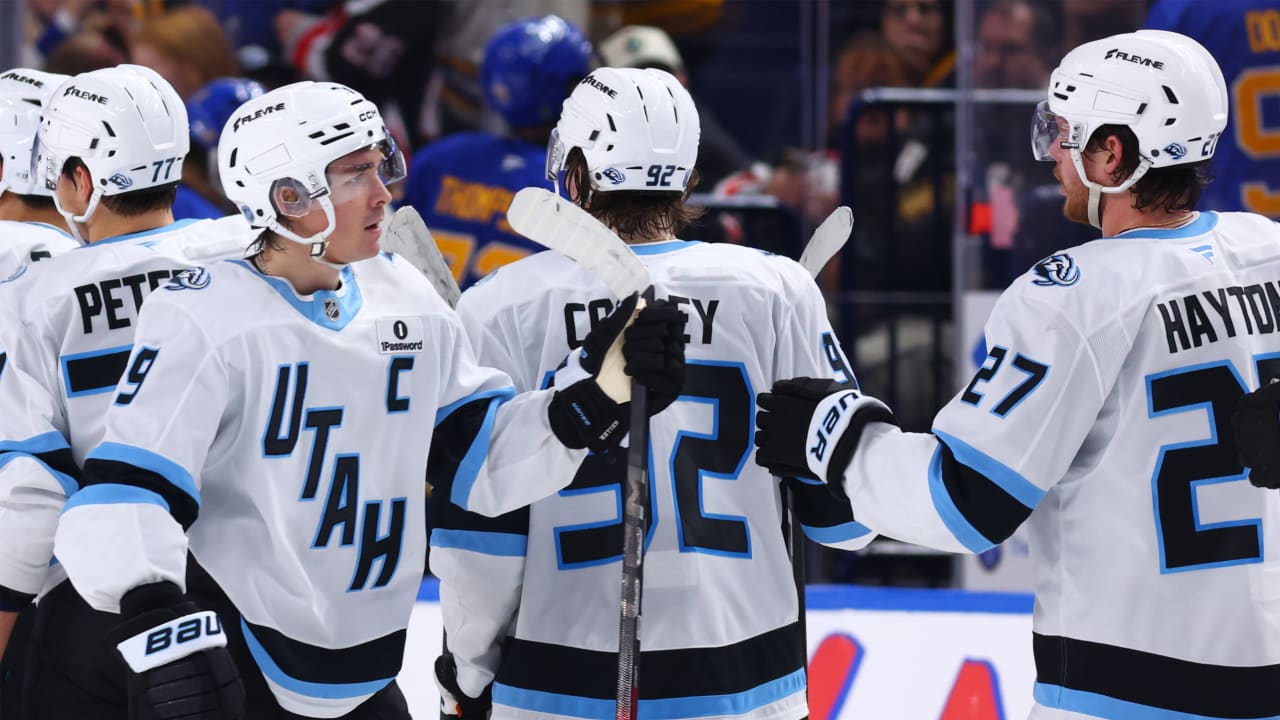
BUFFALO – In a goaltender battle, Clayton Keller’s overtime goal secured a 2-1 win for the Utah Mammoth over the Buffalo Sabres. Nick Schmaltz also scored for the Mammoth in the win. It was a close …
Both goaltenders showed up strong throughout the game, especially Utah’s Karel Vejmelka who delivered time and time again. His timely saves were a big reason why the game was 0-0 going into the third period. In the final frame, when the Mammoth only allowed three shots, Vejmelka remained sharp. Utah’s netminder stopped 17 of Buffalo’s 18 shots in the win.
“It’s all about staying sharp mentally and just being ready for another shot,” Vejmelka reflected postgame. It’s as simple as that but I didn’t have that (many) shots, but it was a good game, but we need to be a little better defensively.”
On the other side, Buffalo’s goaltender Alex Lyon was strong in net to keep Utah from scoring on the majority of their opportunities. The Mammoth outshot the Sabres 34-18 through 60:47 of playing time. The Mammoth had a 15-5 shot advantage in the second period and a 12-3 advantage in the third. Utah stuck with it and kept pushing despite Lyon’s saves.
“We just kept going, no matter what,” Keller said of sticking with it. “Their goalie played awesome tonight, and I think that’s the biggest thing is when you’re getting chances, you got to stay positive, no matter how pissed off you are. It’s very hard to do but I think that’s the maturity in our team. Everyone has, as individuals, has gotten so much better at it.”
Four minutes into the third period, Nick Schmaltz broke the 0-0 tie and scored his eighth of the season. The goal was the result of Clayton Keller and Schmaltz’s strong chemistry, as the Captain knew exactly where his linemate was and that Schmaltz would convert. John Marino picked up an assist on the goal for his fifth helper of the season.