
The unexpected result has shined a national light on a rare Democratic pickup opportunity and energized the party’s left flank.
Utah Democrats may be on the brink of an unexpected political realignment after a progressive newcomer pulled off a convention upset that has reshaped a closely watched House race.
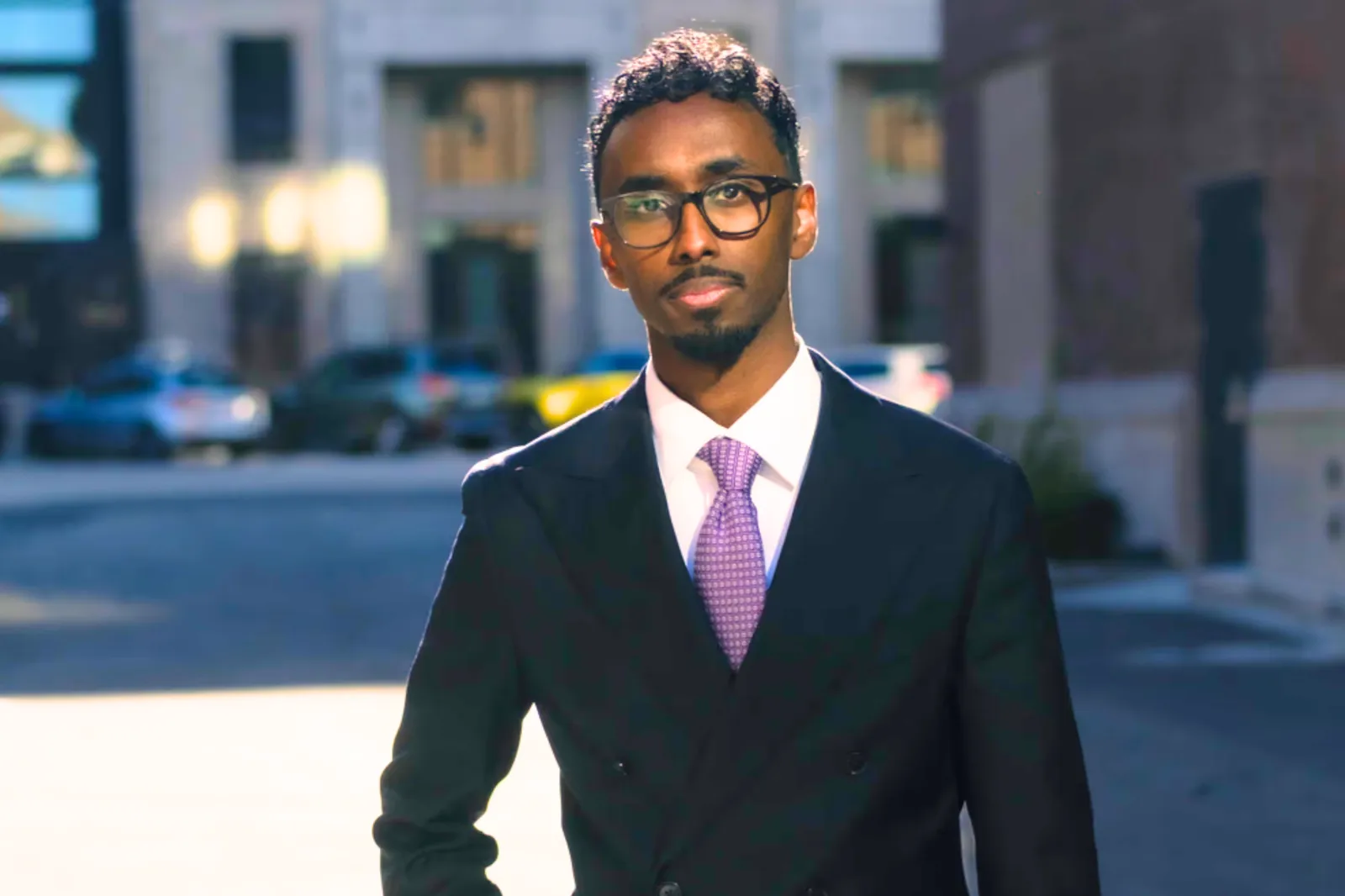
Progressive first-time candidate Liban Mohamed narrowly won Utah Democrats’ convention endorsement Saturday in the state’s newly redrawn 1st Congressional District, defeating establishment favorite Ben McAdams, an outcome that has energized the party’s left flank.
Newsweek reached out to Mohamed via email for comment.
Some Democrats have framed this result as a potential turning point, with Angel Vice, chair of the Utah Democratic Party Women’s Caucus, telling the Deseret News after the vote that her party now has an opportunity for a “Mamdani moment.”
Democrats use this term to describe a scenario in which energized progressive voters upend expectations and reshape a race once thought predictable, a reference to recent progressive breakthroughs in New York’s mayoral politics.
Mohamed’s upset has intensified national attention on a rare Democratic pickup opportunity in Utah and raised fresh questions about whether the party’s center of gravity is shifting left. The result reshapes a competitive Democratic primary and fuels speculation that in the Beehive State—long viewed as politically stable—may be entering a more volatile and ideologically dynamic era.
This race looks very different from what it was just a few years ago. Utah’s 1st Congressional District is newly configured after a court-approved redistricting process placed Salt Lake City entirely within a single compact district for the first time since 2000.
The change matters because concentrating the state’s most Democratic city into one seat has transformed what was once a safely Republican district into one Democrats now see as winnable, attracting national attention and early investment that would have been unlikely under the old map.
Why It Matters
Mohamed’s victory signals the growing influence of the party’s progressive wing in a state where moderation has historically been rewarded.
It also lands as Democrats see new structural and demographic openings created by redistricting and shifting voter behavior.
A Convention Upset Few Expected
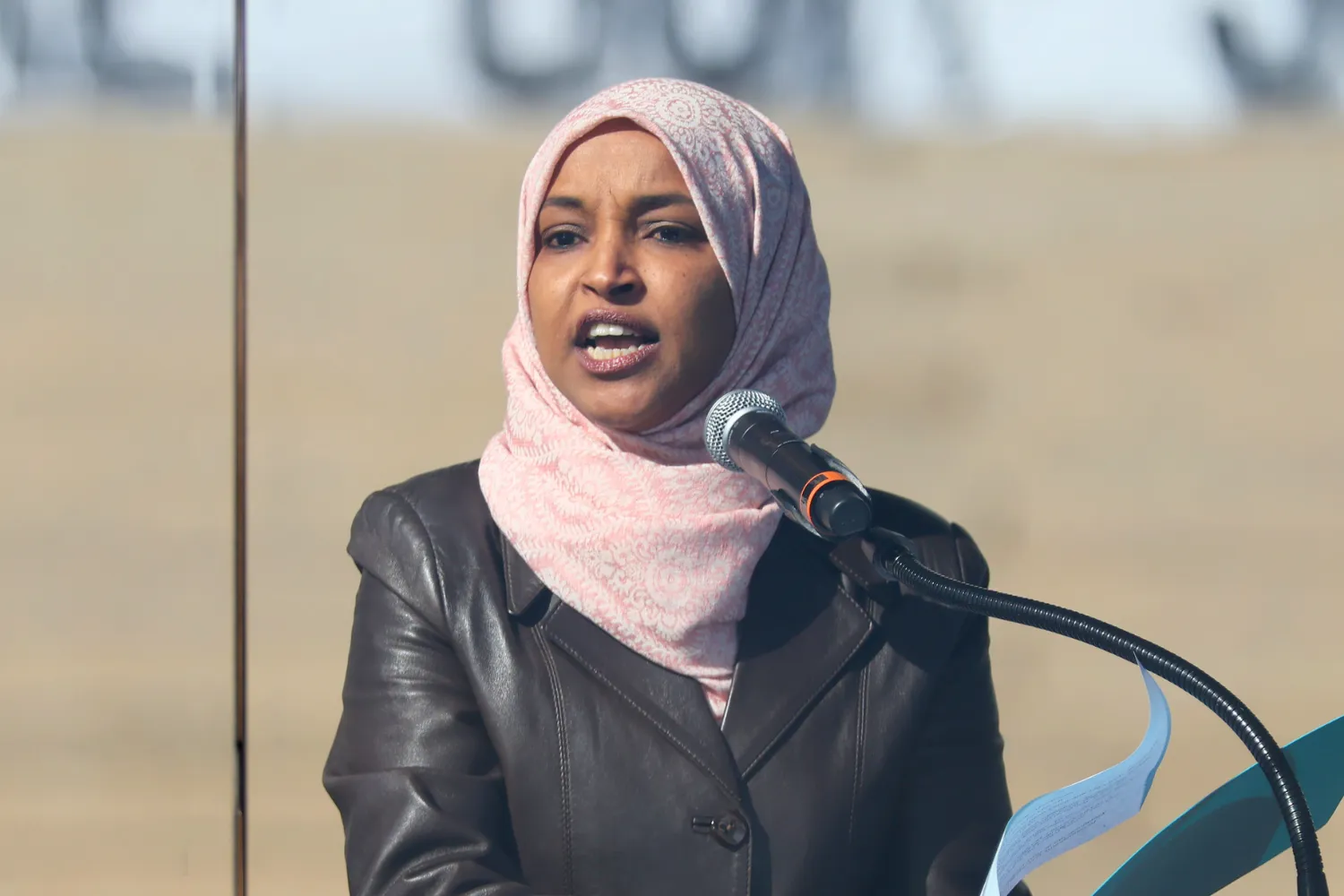
At Utah’s Democratic Party convention in Sandy on Saturday, Mohamed, who has been endorsed by Democratic Minnesota Representative Ilhan Omar, secured 51.18 percent of delegate votes, edging out former Salt Lake County mayor and ex-congressman Ben McAdams, who finished with 48.5 percent.
The result surprised many party insiders. Just weeks earlier, McAdams had been widely viewed as the frontrunner, buoyed by strong name recognition, fundraising strength and favorable polling among moderate voters.
Speaking after the vote, Mohamed framed the outcome as part of a broader movement rather than a personal breakthrough.
“It’s progressives’ time to lead. It’s the working class’ time to lead,” he told reporters, calling the convention endorsement “just the beginning” as support continues to grow.
What Prediction Markets And Ratings Say
Despite the primary uncertainty, outside indicators suggest Democrats are well-positioned heading into November.
On Kalshi, a regulated U.S. prediction market, traders currently assign an 88 percent chance that a Democrat will win Utah’s 1st Congressional District. The market resolves based on which party’s candidate is sworn into Congress in 2027, with outcomes verified by official Library of Congress records.
Prediction markets differ from traditional polling in that they aggregate real-money wagers rather than survey responses, which can make them sensitive to elite expectations and breaking news.
Still, low trading volume and sudden sentiment swings can exaggerate confidence levels.
Traditional analysts are similarly bullish. The Cook Political Report rates the seat Solid Democratic, citing the district’s newly compact shape centered on Salt Lake City following redistricting.
Why the Upset Was So Striking
Mohamed’s convention win looks even more dramatic when set against earlier polling.
A survey conducted March 23-26, 2026, among 381 likely Democratic primary voters by Democratic firm Data for Progress showed McAdams leading the field with 36 percent support. The survey had a margin of error of plus or minus 5 percent.
Mohamed, then a little-known first-time candidate, carried a net favorability of just +12, with 80 percent of respondents saying they did not know enough about him to form an opinion.
Delegates, however, told a different story, suggesting organizational strength, activist enthusiasm and in-person campaigning outweighed early name recognition and polling advantages.
Utah’s Democratic primary is open, allowing unaffiliated voters to participate, a system that has historically favored moderate candidates.
The convention result raises new questions about whether that dynamic still holds.
Progressive Energy Versus Establishment Caution
The convention exposed a party energized but divided over strategy.
Mohamed was among several candidates offering unapologetically progressive messages, including calls for universal healthcare, the abolition of Immigration and Customs Enforcement (ICE), and the end of U.S. aid to Israel. Those proposals drew some of the loudest applause of the day.
More centrist Democrats urged restraint. State Senator Kathleen Riebe, who endorsed McAdams, argued for a nominee capable of lowering political temperature and building coalitions. McAdams rejected the idea that progressivism and pragmatism are mutually exclusive.
“Progressive has to mean making progress,” he said, emphasizing his focus on coalition-building while standing firm on core values.
Why Trump and Religion Loom Over the Race
Utah’s political volatility cannot be separated from religion.
Over the past two decades, Latter‑day Saints have shifted away from the Republican Party—and from President Donald Trump in particular—more than any other major religious group except atheists, according to analyses of Cooperative Election Study data by YouGov.
Trump’s rhetoric and conduct have created lasting friction with voters who once anchored Utah’s Republican dominance. Combined with redistricting and demographic shifts around Salt Lake City, that erosion has widened the path for Democrats, particularly candidates capable of mobilizing younger and more diverse voters.
What Comes Next
McAdams, Nate Blouin and Michael Farrell will all appear on the June 23 Democratic primary ballot alongside Mohamed because they secured the necessary signatures to qualify, despite not having won at the convention.
The winner will face Republican Riley Owen in November, competing in a district far less hospitable to the GOP than it was under previous maps.
Whether Utah is experiencing a lasting progressive realignment or a moment shaped by redistricting and activist energy will become clearer after the primary. For now, Democrats are confronting a reality their polling missed: the voters they thought they understood may no longer behave the way the models predict.
Source: Utah News